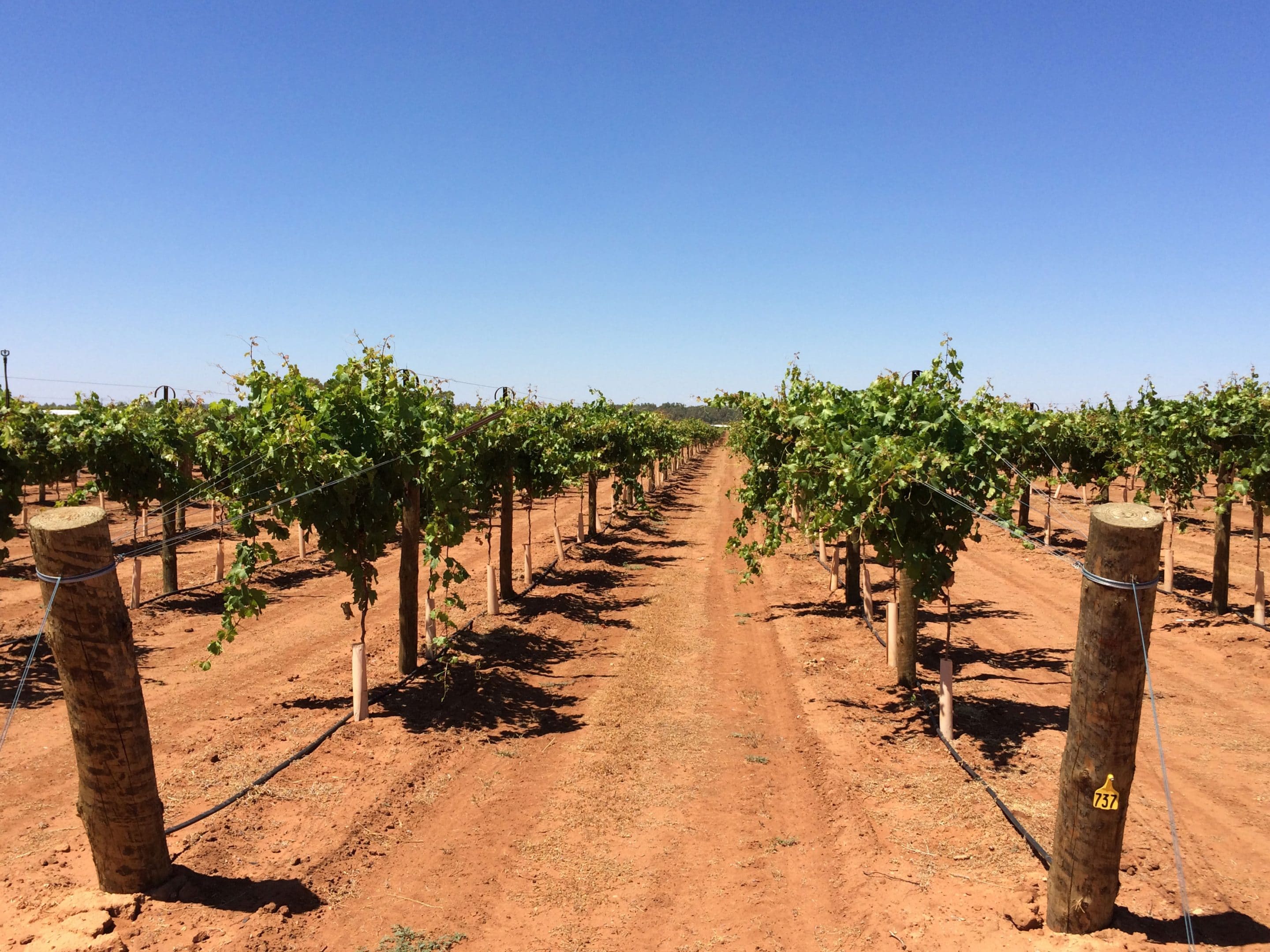
Variety selection is one of the first decisions wholesale buyers face when sourcing Australian table grapes, and it’s also one of the easiest to get wrong. Choose a variety that doesn’t suit your end market and you’re fighting an uphill battle on price, presentation and repeat business.
The red-versus-green question is a reasonable starting point — but what actually drives a good sourcing decision is understanding what each variety delivers for your specific buyer, destination and shipping route.
What separates red grapes from green grapes?
Colour is just the beginning. Red and green table grapes differ in flavour profile, shelf life, berry size, and retail appeal — all of which affect how the fruit performs once it leaves the farm.
Green and white varieties tend toward mild, clean sweetness. They’re often seedless, visually neutral and broadly appealing across Asian, Middle Eastern and European consumer markets. Their consistent appearance makes them a safe retail choice across a wide range of buyers.
Red and black varieties bring bolder flavour, stronger visual impact and premium shelf presence. They’re well suited to buyers targeting higher-end retail, specialty grocers or gift packaging, where standing out in the produce section matters.
Both categories ship well from Australia when harvested at the right time. The right choice comes down to where the fruit is going — and who’s eating it.
Red and black grape varieties from Australia
Crimson is one of the most widely exported Australian varieties for good reason. Seedless, firm-skinned and built for distance, it holds its quality well through long supply chains and performs consistently across multiple export markets.
Red Globe takes a different approach entirely. It’s a large, round seeded variety with bold visual presence and strong pricing power in Asian markets, particularly China, where consumer preference for seeded grapes with large berries remains high.
Flame comes in early in the Australian season, giving buyers access to fresh red product before most other varieties are ready. Its seedless berry and sweet-tart flavour make it a solid early-season option for markets that want to move quickly.
Magenta™ and Allison™ are premium newer varieties with excellent colour, flavour and shelf life, increasingly sought by importers who need fruit that looks as good at destination as it did at the farm gate.
Sweet Sapphire™ is in a category of its own: a long, finger-shaped black seedless grape with an intensely sweet flavour and striking appearance. It’s the variety buyers choose when they need something genuinely different for premium retail or gift markets.
Melody and Long Crimson round out the red category, both offering reliable eating quality and clean pack presentation.
Green and white grape varieties from Australia
Green and white varieties have long driven Australian bulk export volumes, particularly into Southeast Asia, and for good reason: consistent quality, reliable availability and broad consumer acceptance.
70% of Australian table grapes are grown for export, and table grapes are Australia’s most exported fresh fruit by proportion of production.
“Green and white varieties have long driven Australian bulk export volumes — Australia now exports more than 150,000 tonnes of table grapes annually, with Southeast Asia among the strongest markets.”
Thompson (also known as Sultana) is a staple. Seedless, sweet and dependable, it has deep roots in global export markets and consistent year-on-year demand.
Menindee Seedless is a trusted Australian original, valued for its large berry size, firm texture and sweet flavour. When buyers need a reliable green performer with broad appeal, Menindee is a natural starting point.
Sweet Globe™ is the variety of choice for buyers prioritising shelf life. Its thick skin, round shape and low moisture loss make it one of the better green options for long-haul shipping and markets with extended distribution chains.
Sugar Crisp™ delivers exactly what the name suggests: a notably sweet, crunchy eating experience that performs well in premium retail and food service settings where eating quality drives purchase decisions.
Ivory™, Luisco, Autumn King and Pristine® extend the green season into different windows, giving buyers the flexibility to plan longer sourcing programs without switching suppliers.
Matching variety to market
Most experienced buyers source both red and green varieties, and the right mix depends on your destination.
Asian markets (China, Southeast Asia) tend to favour large-berry varieties. Red Globe for buyers targeting seeded grape markets; Sweet Globe™ and Menindee Seedless for premium green. Both categories have established demand.
Middle Eastern and European markets generally lean toward seedless varieties with clean visual presentation and strong shelf life. Crimson and Thompson are consistent performers here.
Premium retail and gift markets anywhere in the world reward variety differentiation. Sweet Sapphire™, Magenta™ and Sugar Crisp™ are the varieties worth considering when standard offerings won’t cut through.
For buyers who want to simplify their supply chain, working with a single grower across both red and green categories reduces supplier management and makes season planning easier.
FAQ
Are red grapes or green grapes better for long-distance shipping?
Both travel well when handled correctly. Firm-skinned seedless varieties like Crimson and Sweet Globe™ tend to perform best over long distances, with lower moisture loss and better pack integrity on arrival. Your supplier can advise on cool-chain requirements and pack specs for specific varieties and destinations.
Which Australian grape varieties are most popular in Asian export markets?
Red Globe is a consistent performer in China and parts of Southeast Asia, where consumer preference for large-berry seeded grapes is well established. Premium green varieties including Sweet Globe™ and Menindee Seedless also have strong retail demand across the region.
Can I source both red and green grapes from a single Australian farm?
Yes. Many Australian table grape farms grow a mix of colour categories to extend their supply window through the season. Lazzara Fruits grows more than 20 varieties across red, green and black categories, which allows buyers to consolidate sourcing from a single origin.
When is the Australian table grape export season?
The Australian season generally runs from December through to May or June, depending on variety and growing region. This timing aligns with the Northern Hemisphere off-season, making Australian grapes a practical supply solution for international buyers during those months.
What’s the difference between seeded and seedless grapes for export?
Seedless varieties have broader retail appeal and suit consumer-facing markets where ease of eating matters. Seeded varieties like Red Globe command premium pricing in specific markets, particularly in Asia, where large-berry seeded grapes are a traditional preference. The right call depends on your end buyer.
Sourcing Australian table grapes for export
Lazzara Fruits is a family-owned table grape farm in Victoria, growing more than 20 varieties across red, green and black categories. We supply wholesale buyers, importers and export agents directly from the farm.
If you’re planning your sourcing program and want to discuss variety availability, seasonal timing and export requirements, get in touch with us here. We’re happy to talk through what suits your market.